
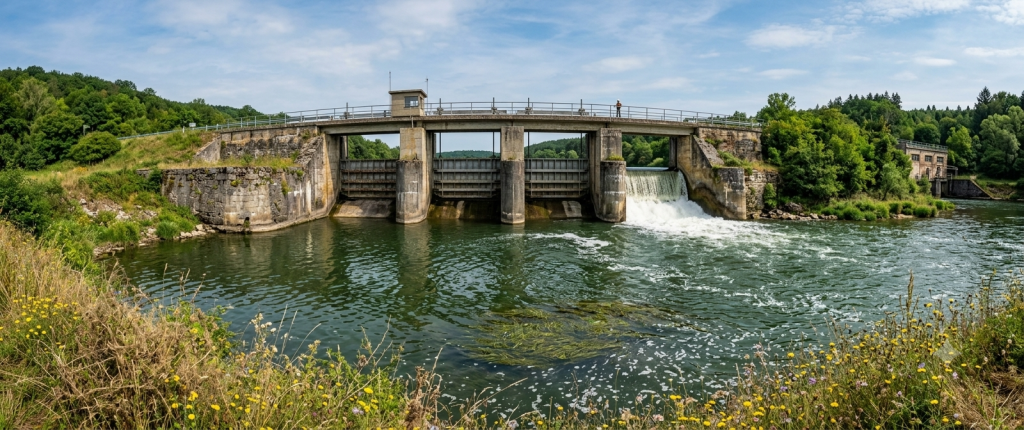
Surface water from rivers and dams is a key source of fresh water for many communities, farms, and factories. But this raw water often contains mud, leaves, algae, and germs that make it unsafe or clog equipment. Gulf Water Treatment (GWT) offers easy-to-use treatment systems that turn raw surface water into clean, safe water. Our plants follow clear steps and use reliable technology so you get the water you need, day after day.
The Challenge of Surface Water
The river and the water level can change by season and weather. Heavy rain stirs up mud and sand. Warm weather boosts algae growth. Falling leaves and debris wash into the water. All these factors cause:
- High Turbidity (cloudy water)
- Algae & Color (green tint, strange taste, and smell)
- Microbes (bacteria, viruses, protozoa)
- Debris (sticks, plastic, grit)
Without treatment, these impurities can clog pipes, damage pumps, and pose health risks. GWT’s systems remove each group of impurities in simple stages.
Our Step-by-Step Treatment Process
- Intake & Pre-Screening
- Coagulation & Flocculation
- Sedimentation (Clarification)
- Filtration
- Activated-Carbon Polishing
- Disinfection
- Storage & Distribution
Each stage targets specific impurities, so the next stage can work most effectively. This layered approach delivers water that meets drinking-water, irrigation, or industrial standards.
1. Intake & Pre-Screening
- Bar or Drum Screens: Water first passes through coarse screens that stop sticks, plastic, and large debris.
- Self-Cleaning Rakes: Automatic rakes clear screens so water flow never stops.
- Goal: Protect pumps and pipes from damage by big objects.
2. Coagulation & Flocculation
- Coagulant Addition: We add a small dose of alum or ferric chloride to neutralize the electric charge on tiny particles.
- Flocculant Addition: A gentle polymer helps these particles stick together into larger clumps called “flocs.”
- Mixing Tanks: A rapid-mix zone disperses chemicals evenly; a slow-mix zone lets flocs grow without breaking.
- Goal: Turn very fine mud, algae, and organics into settleable clumps.
3. Sedimentation (Clarification)
- Clarifier Tanks: Water flows slowly in a large tank so heavy flocs sink under gravity.
- Sludge Collection: Scrapers or hoppers gather settled solids (sludge) at the bottom for removal.
- Clear Overflow: The cleaner water flows over a weir to the filtration stage.
- Goal: Remove 70–90% of suspended solids before filters.
4. Filtration
- Sand or Multimedia Filters: Layers of sand, gravel, and anthracite trap remaining particles down to 5–10 microns.
- Backwash Cycle: Automated backwash flushes out trapped solids, restoring filter flow in minutes.
- Cartridge Filters (Optional): 1–5 micron cartridges give extra polish for very clear water needs.
- Goal: Achieve turbidity under 1 NTU for clear, particle-free water.
5. Activated-Carbon Polishing
- Carbon Media: Granular activated carbon adsorbs color, odors, and trace chemicals.
- Periodic Backwash: Filters flush out trapped organic matter so the carbon stays fresh.
- Goal: Improve taste, remove lingering color, and capture tiny organic contaminants.
6. Disinfection
- Ultraviolet (UV) Light: UV lamps inactivate bacteria, viruses, and protozoa without chemicals.
- Chlorination (Optional): A small dose of chlorine or chloramine provides a lasting disinfectant residual.
- Contact Time: Disinfection basins or pipes give water enough exposure to kill pathogens.
- Goal: Achieve at least 99.9% pathogen removal for safe water.
7. Storage & Distribution
- Sanitary Tanks: Treated water goes into sealed tanks with recirculation pumps to prevent stagnation.
- Residual Monitoring: Sensors continuously track UV intensity, chlorine levels, and turbidity in real-time.
- Automated Controls: PLC panels alert you to any drop in water quality or flow issues.
- Goal: Deliver stable, safe water through pipes to your home, farm, or factory.
Key System Features
- Modular Design: Skid-mounted or containerized units bolt on site in days, not months.
- Automated Controls: Pre-programmed PLCs handle dosing, mixing speeds, backwash cycles, and alarms.
- Energy-Efficient Equipment: Low-power mixers, pumps, and backwash sequences cut electricity costs.
- Self-Cleaning Intake: Automatic rakes and reversing drum screens reduce manual work.
- Remote Monitoring: Optional cloud link lets you watch water quality 24/7 from any device.
- Easy Maintenance: Clear access to valves, filters, and lamps makes routine checks fast.
Ideal Applications
- Municipal Water Supply
Small towns and villages draw river or dam water for drinking and chores. - Agricultural Irrigation
Farmers use treated water for drip and sprinkler systems without risking clogging. - Industrial Process Water
Factories and power plants need clear water for cooling towers, boilers, and manufacturing. - Construction Camps & Remote Sites
Temporary plants for remote jobs, mining camps, or disaster relief. - Recreational Facilities
Parks, golf courses, and resorts require clean water for landscaping and features.
Design Considerations
When planning a plant, GWT engineers consider:
- Raw Water Quality: Measure turbidity, color, pH, organics, and microbial counts.
- Flow Rates: Daily average and peak flows define tank and filter sizes.
- Site Layout: Available land, access roads, and intake locations.
- Power Supply: Voltage, backup generator needs, and energy-saving options.
- Waste Handling: Sludge thickening, dewatering, and safe disposal.
- Regulatory Standards: Local drinking-water limits, irrigation rules, or industrial specs.
Operation & Maintenance
Simple, regular care keeps your plant running smoothly:
- Daily Checks: Inspect pumps, mixers, and dosing levels at each stage.
- Weekly Tasks: Clean strainers, record flow and turbidity readings, and verify chemical stocks.
- Monthly Work: Replace cartridge filters, change UV lamps, and test water samples.
- Quarterly Service: Deep-clean sand filters, inspect clarifier drives, and check automation logs.
- Annual Overhaul: Replace worn nozzles, calibrate sensors, and service backwash pumps.
GWT offers service contracts so our trained technicians handle all routine and emergency maintenance.
Benefits You’ll Enjoy
- Safe, Clear Water: Meets or exceeds drinking-water, irrigation, or industrial standards.
- Lower Costs: Energy-efficient design and optimized chemical use reduce operating bills.
- Reliable Supply: Automated controls and self-cleaning intake minimize downtime.
- Fast Delivery: Modular plants install in weeks, so you start using clean water sooner.
- Scalable Growth: Add modules or extra filter skids as demand rises—no major rebuild needed.
- Environmental Compliance: Sludge management and low chemical use keep your discharge within limits.