
Two industrial sites can produce the same volume of effluent and need completely different treatment plants. A tobacco processing line and a concrete batching plant share almost no contaminants, and an ETP designed for one will fail on the other. GWT has engineered industrial effluent treatment plants across the UAE and MENA since 1992, building each treatment train around the specific contaminant profile of the process that feeds it.
What Is an Effluent Treatment Plant?
An effluent treatment plant treats industrial process wastewater, removing chemicals, suspended solids, oils, heavy metals and organic load before the water is discharged or reused. Unlike domestic sewage, industrial effluent varies enormously by sector, which is why an ETP is designed around a specific process rather than to a standard template.
Industrial effluent in the UAE is assessed on BOD, COD, TSS, pH, oil and grease, heavy metals and, depending on the process, sulphates and fluorides. Limits are set by the authority for the emirate the site operates in, and they tighten as the intended reuse moves toward unrestricted applications.
Where the process produces no discharge at all, an ETP is paired with a zero liquid discharge system to recover water and eliminate liquid effluent entirely.
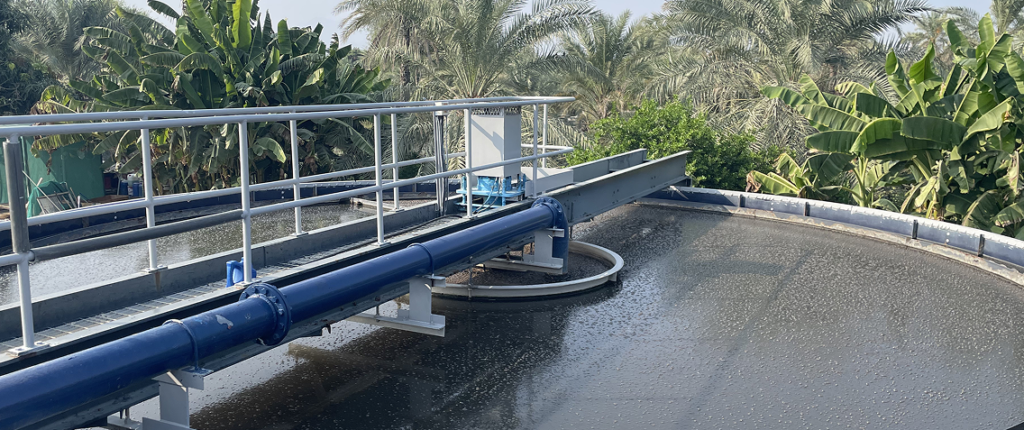
Why Do You Need Effluent Treatment Plants (ETPs)?
Effluent Treatment Plants (ETPs) are essential for managing industrial wastewater, which often contains pollutants that can harm the environment. When factories and industries utilize ETP effluent water treatment plants, they protect the natural environment by treating waste before it is released into rivers, seas, or the ground. Without these systems, toxic chemicals and biological contaminants could pollute water bodies, affecting humans, animals, and the overall ecosystem. ETPs ensure clean industry effluent, reducing pollution risks and helping to keep our environment safe.
ETPs are also crucial for helping industries comply with environmental laws. Countries around the world, including the UAE, require industries to treat their wastewater to avoid heavy fines. By treating harmful effluents, industries contribute to sustainable development and lessen their impact on the planet. Additionally, ETP support cost reduction by reusing treated water within industrial processes, minimizing waste and conserving valuable water resources.
How an Effluent Treatment Plant Works?
The stages are the same across industries. What changes is which stages are emphasised and what is dosed at each one.
- Pre-treatment. Screening, equalisation and oil and grease removal. Equalisation matters more in an ETP than an STP, because industrial flow arrives in batches rather than continuously.
- Primary treatment. Physical and chemical separation, usually coagulation and flocculation followed by settlement or dissolved air flotation. DAF is specified where the effluent carries fats, oils, grease or low-density solids.
- Secondary treatment. Biological breakdown of organic load using MBBR, MBR or activated sludge. Selected on the biodegradability of the effluent, not just the volume.
- Tertiary treatment. Filtration, advanced oxidation, ion exchange or membrane polishing to remove residual contaminants and bring the output to discharge or reuse grade.
- Sludge handling. Thickening and dewatering. Industrial sludge often requires different handling from sewage sludge depending on what it carries.
Our ETP Systems Designed for Heavy Metals Removal
Some industrial effluents carry contaminants that a conventional biological plant will not touch. GWT designs targeted removal stages for these.
- Sulphates removal. Chemical precipitation and membrane stages for effluent from mineral processing, mining and chemical manufacture.
- Fluorides removal. Precipitation and adsorption stages for effluent from glass, aluminium, semiconductor and chemical operations.
- Heavy metals removal. Precipitation, ion exchange and selective adsorption for metal finishing, plating and industrial coating lines.
- High salinity effluent. Recovery from streams that conventional membranes cannot handle, through high saline water treatment systems.
- Produced water. Hydrocarbon and dissolved solids removal for oil and gas operations, through produced water treatment systems.
GWT Effluent Treatment Plant Products
Containerised Effluent Treatment Plant. A complete plant inside a shipping container, factory assembled and tested. Specified for construction sites, temporary operations and remote industrial locations. Relocates with the project, with short-term needs covered through rental systems.
Packaged Effluent Treatment Plant. Factory-built modular units delivered ready to connect, allowing larger capacities than a container with far less site construction than a civil build.
Skid-Mounted Effluent Treatment Plant. Pre-assembled on a steel frame for installation within an existing plant building, where the ETP must fit a process facility rather than occupy a separate plot.
Civil-Built Effluent Treatment Plant. Reinforced concrete construction for large permanent industrial installations, delivered under turnkey project execution or on a build, operate and transfer basis.
GWT Effluent Treatment Plant Services
An ETP that meets its discharge limit at commissioning will drift out of compliance within two years without maintenance. Dosing rates change as the process changes, media fouls, and effluent composition rarely stays what it was at design stage.
- Operation and maintenance. Daily operation, chemical dosing, sludge handling, calibration and effluent reporting against the applicable limits.
- Annual Maintenance Contract. Scheduled servicing for sites running their own operators.
- Third-party servicing. GWT services ETPs installed by other suppliers, starting with an independent condition and configuration assessment.
- ETP retrofits. Upgrades where discharge limits have tightened, production volume has grown, or a process change has altered the effluent the plant was designed for.
- ETP chemicals. Coagulants, flocculants, pH correction and disinfection chemicals matched to the effluent profile.
- Spare parts and repair and refurbishment for GWT and third-party plants, through the aftermarket service.
- Consultancy and feasibility. Effluent characterisation and treatment recommendation before capital commitment.
Why Choose GWT as Your ETP Supplier?
GWT has engineered and maintained water and wastewater treatment systems in the UAE since 1992, with over 2,000 systems installed. Engineering, fabrication, installation, commissioning and operations are held in house, so one team carries a plant from effluent characterisation through to its tenth year of service.
Certified to ISO 9001:2015, ISO 14001:2015 and ISO 45001:2018. Clients include Emaar, DP World, NMDC, Sharjah City Municipality and RAK Ceramics. Delivered projects are documented in the case studies.
Additional Wastewater Treatment Systems Offered by GWT
Sewage Treatment Plant
Our sewage treatment plant removes solids, organic matter and pathogens from domestic wastewater so the treated output can be discharged safely or reused.
Greywater Treatment Plant
The Greywater Treatment Plant is designed to treat water from baths, sinks, and laundry. This treated water can be reused for irrigation or other non-potable applications, making it an eco-friendly solution for water conservation.
Effluent Treatment Plant
Our Effluent Treatment Plant treats industrial wastewater to ensure that harmful chemicals are removed before the water is released into the environment.
Greywater Treatment Plant
The Greywater Treatment Plant is designed to treat water from baths, sinks, and laundry. This treated water can be reused for irrigation or other non-potable applications, making it an eco-friendly solution for water conservation.
Effluent Treatment Plant FAQs
Quick answers to questions you may have. Can’t find what you’re looking for? Get in touch with us.
ETP stands for Effluent Treatment Plant. It treats industrial process wastewater, removing chemicals, suspended solids, oils, heavy metals and organic load before the water is discharged or reused.
An ETP treats industrial process wastewater with a contaminant profile specific to the industry producing it. A sewage treatment plant treats domestic sewage from toilets, kitchens, showers and laundry. Many industrial sites operate both.
Pre-treatment removes large solids and oils and equalises batch flow. Primary treatment separates solids through coagulation, flocculation and settlement or dissolved air flotation. Secondary treatment breaks down organic load biologically. Tertiary treatment polishes the output to discharge or reuse grade. Sludge is thickened and dewatered throughout.
Coagulants and flocculants remove suspended particles, acids and alkalis correct pH, and disinfectants control microbial load. The specific chemicals and dosing rates depend on the effluent profile of the industry, which is why GWT characterises the effluent before specifying a dosing regime.
ETPs are supplied as containerised, packaged, skid-mounted or civil-built systems. The build format depends on how permanent the installation is, the capacity required, and whether the plant must fit inside an existing process building.
Yes. GWT provides operation, maintenance and Annual Maintenance Contracts for third-party ETPs, starting with an independent assessment of current condition and configuration.